


The links between the environment and human health are a major public health issue and a growing concern for citizens and local authorities alike. This subject is of particular concern to the Veolia group, whose activities directly influence the quality of the environment and, consequently, the health of populations.
Although the impact of the environment on human health has long been recognised, it remains poorly defined. However, scientific advances in this field are progressing rapidly. To better understand these interactions and help teams optimise their work in the water, energy and waste sectors, the Veolia Institute and Veolia's Scientific and Technological Expertise Department have launched the Scientific talks in 2023. This event brings together internationally renowned experts to share their knowledge on the links between health and the environment.
> Strategic Metals: From Dependence to Sovereignty
July 2026
A fascinating discussion to understand one of the greatest challenges of the ecological transition: our dependence on strategic metals.
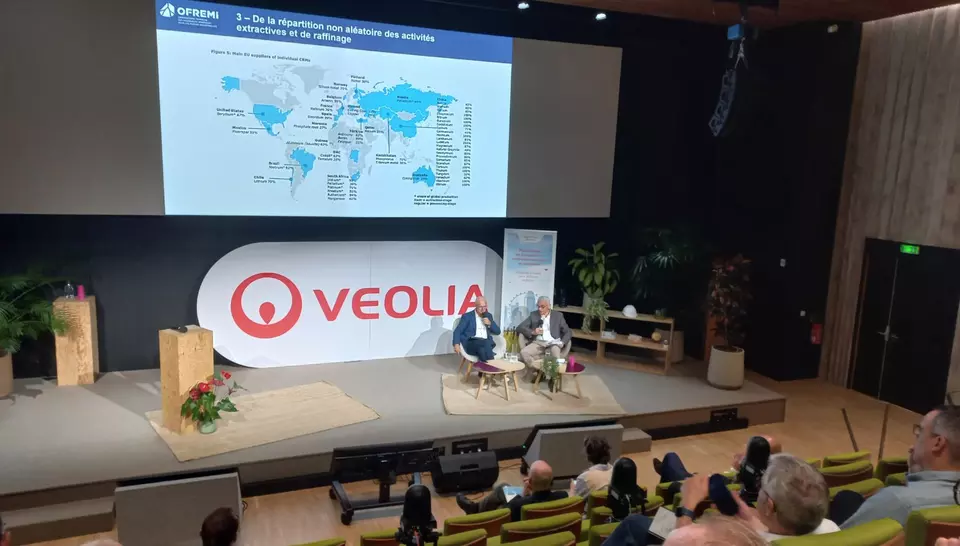
The energy transition promises to move us beyond the era of fossil fuels. But as we massively electrify our society (electric vehicles, wind turbines, solar panels), demand for certain minerals and metals is skyrocketing. Are we simply replacing our dependence on oil with a dependence on strategic metals? Faced with the monopoly held by a few countries (such as China) over mining and refining, the issue of Europe’s economic and industrial sovereignty has become central.
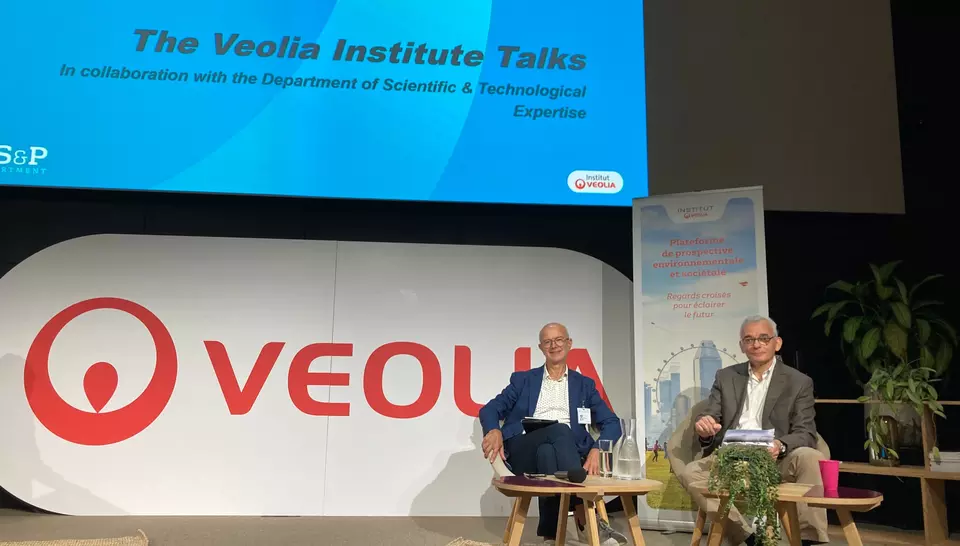
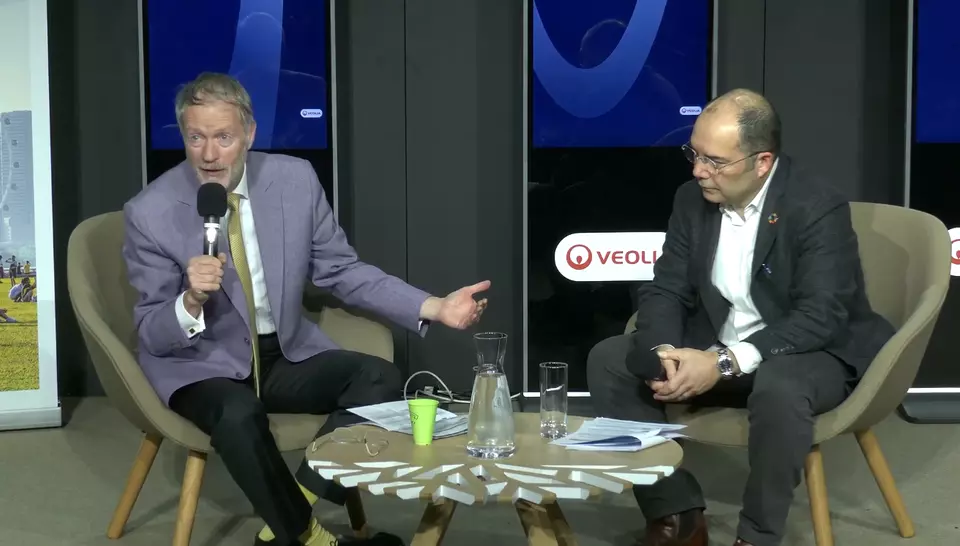
To shed light on this complex topic, the event took the form of a roundtable discussion between Stéphane Bourg, Director of the French Observatory of Mineral Resources for Industrial Sectors (OFREMI) at BRGM, and Michel Sibony, Director of Scientific Expertise at Veolia, who served as moderator and interviewer.
Watch the True or False Video of Stéphane Bourg:
> Soil Health – Urgency to Act
February 2026
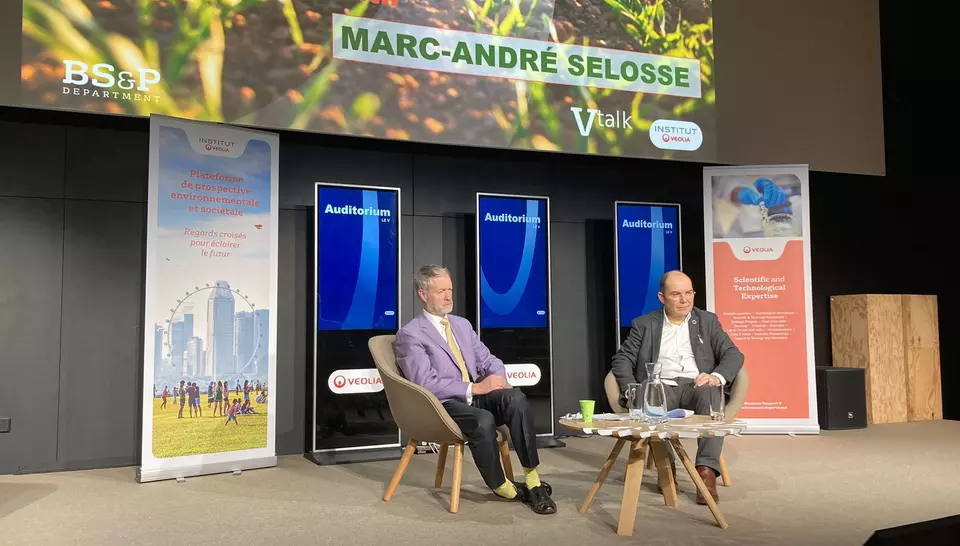
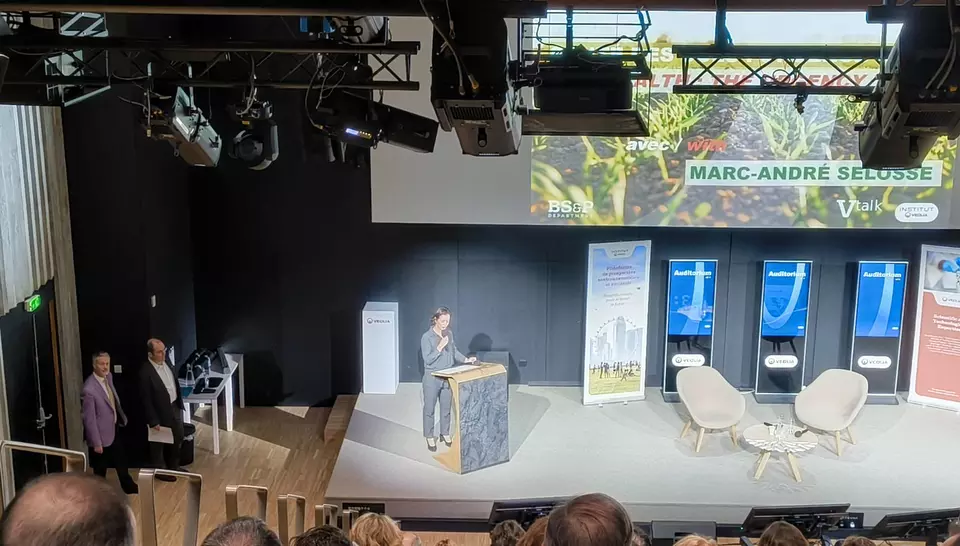
The Veolia Institute was delighted to welcome Marc-André Selosse, international leading figure in microbiology and ecology. Professor at the National Museum of Natural History in Paris and at the universities of Gdansk and Kunming, this multidisciplinary specialist spoke at our 5th Scientific Talk, dedicated to the crucial issues of soil health.
Marc-André Selosse highlighted the fundamental role of soil as the foundation of our ecosystems. Hidden space of biodiversity, soil performs essential functions in agricultural production and carbon sequestration. However, he emphasized the growing fragility of this natural heritage, which has been degraded by a century of intensive plowing and increased use of pesticides. The consequences of soil depletion are numerous and critical: declining agricultural yields, reduced soil retention capacity, risk of drought, increased erosion, risk of flooding, etc.
To meet these challenges, Marc-André Selosse rejects the idea of a single solution. He advocates a diversification of efforts, combining complementary technical, political, and agronomic approaches to restore the vitality of the land. He also emphasizes the importance of communication: soil protection must become a major topic of public debate.
Watch the replay here
>Hydrogen: Myth or Reality?
October 2025
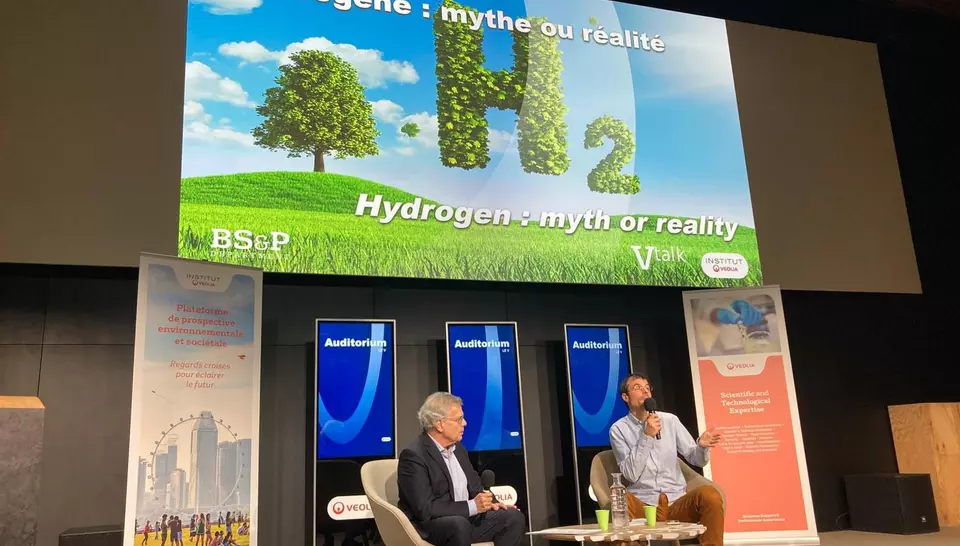
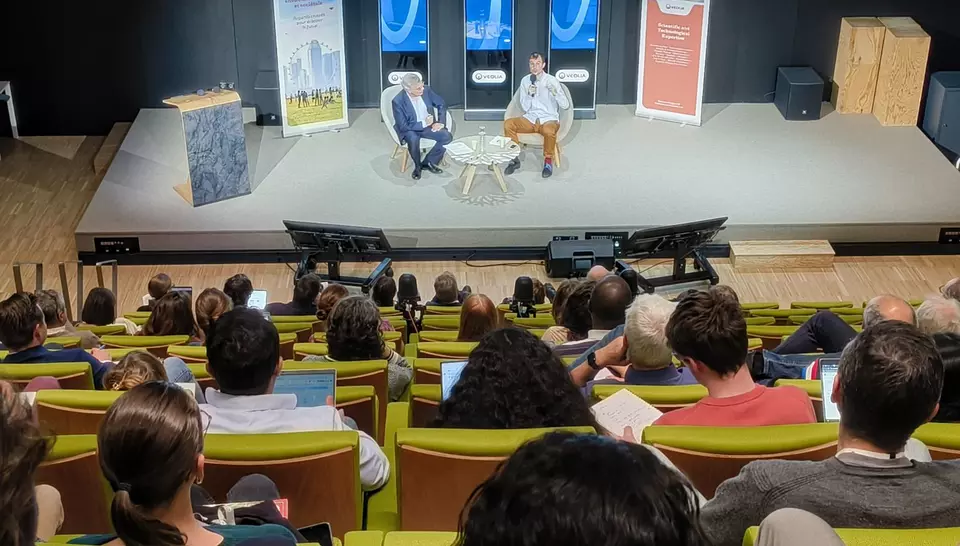
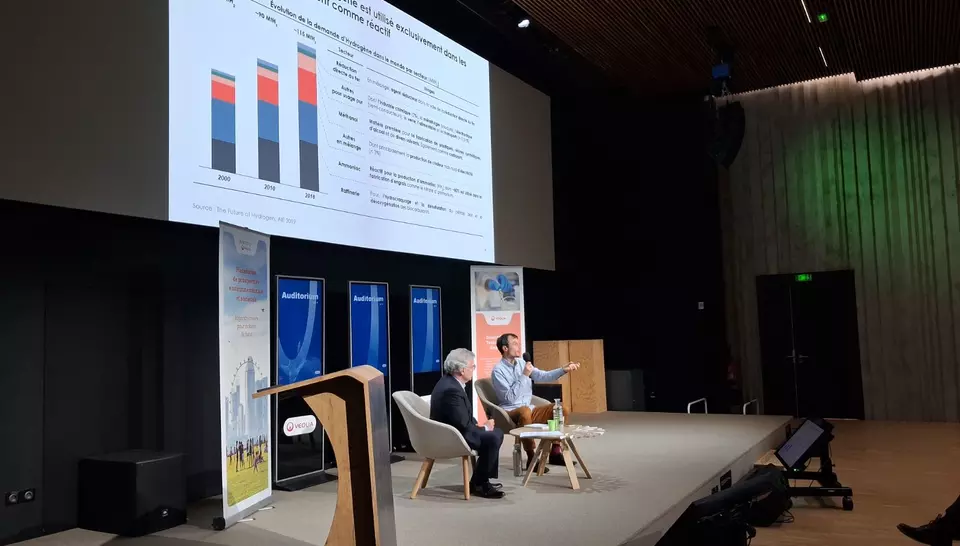
On October 14th, the Veolia Institute, in collaboration with the Scientific and Technological Expertise Department, organized its fourth scientific talk. The session featured Alexandre Joly, head of the energy division at Carbone 4, who addressed a decisive question for the future of energy: can low-carbon hydrogen really become a major energy solution for decarbonizing industry, heavy transport, and regions?
In an in-depth discussion with Philippe Maillard, R&D expert in energy and new low-carbon fuels, they presented the advantages and promises of hydrogen: its ability to replace fossil fuels, reduce CO₂ emissions, and be produced locally from natural resources such as biogas or biomass. They also highlighted its limitations: low energy efficiency, high production costs, and difficulties in storage and transport. The low-carbon hydrogen market is slow to take off due to a lack of public policy incentives and appropriate regulations.
Watch the Replay here
> Spillover: From climate change to pandemics
October 2024
On 8 October, the Veolia Institute, in collaboration with DEST, organised its third scientific conference at Veolia headquarters. On this occasion, Dr Mary Wilson, Clinical Professor of Epidemiology and Biostatistics at the University of California, San Francisco School of Medicine, spoke on the theme ‘Spillover: From climate change to pandemics’.
Her talk focused on the mechanisms behind the emergence and spread of viral pandemics, highlighting the role of factors such as the growing proximity between mankind and wildlife, deforestation and the impact of climate change.
A discussion with Adèle Lazuka, a Veolia expert in microbial and enzymatic biotechnology, looked at innovative solutions, including epidemiological monitoring of waste water and access to drinking water as levers for preventing pandemics.
Watch the replay here
> Antibiotic resistance
May 2024
A second scientific talk between the Veolia Institute and DEST.
Professors Marie-Cécile Ploy and Christophe Dagot shared their knowledge of antibiotic resistance, a global threat causing more than a million deaths every year. Together with Charlotte Arnal, an expert in environmental microbiology, they discussed the challenges and the need for a coordinated approach between the human, animal and environmental health sectors.
Watch the replay here
> Health and the Environment
November 2023
The Veolia Institute and Veolia's Department of Scientific and Technological Expertise (S&TE) have inaugurated the first edition of their scientific talks on the theme of "Health and the Environment" with the participation of Yves Lévi, Emeritus Professor of Environmental Health (Université Paris Saclay), member of the National Academy of Medicine, the National Academy of Pharmacy and the Academy of Technology.
During this talk, Pr. Lévi started by defining the concept of Environmental Health and went on to discussing the impact of chemical pollutants on human health. In a rich dialogue with S&TE's environmental health expert, Luc Mosqueron, clear and precise insights were provided into the issues and challenges posed by the impact of chemical pollutants on our health and the environment.
Building on the success of this first edition and the quality of the discussions, other editions on interesting future-oriented topics have already been planned for 2024.